
MediQuick Research
School Sports & Work Physicals Cost $120 More at Urgent Care Than Primary Care in 2026
Urgent care charges $120 more on average for sports and work physicals than primary care in 2026. Here's th...
Compare top-rated Physical Therapy professionals in the Tampa area. All providers are licensed, insured, and reviewed by real customers.
Compare Options BelowUrgent care charges $120 more on average for sports and work physicals than primary care in 2026. Here's th...

Urgent care self-pay rates can be $100-200 less than your insurance copay in 2026. Learn when to skip insur...
Rapid strep test costs range from $15 to $95 depending on where you go. We break down 2026 pricing at urgen...
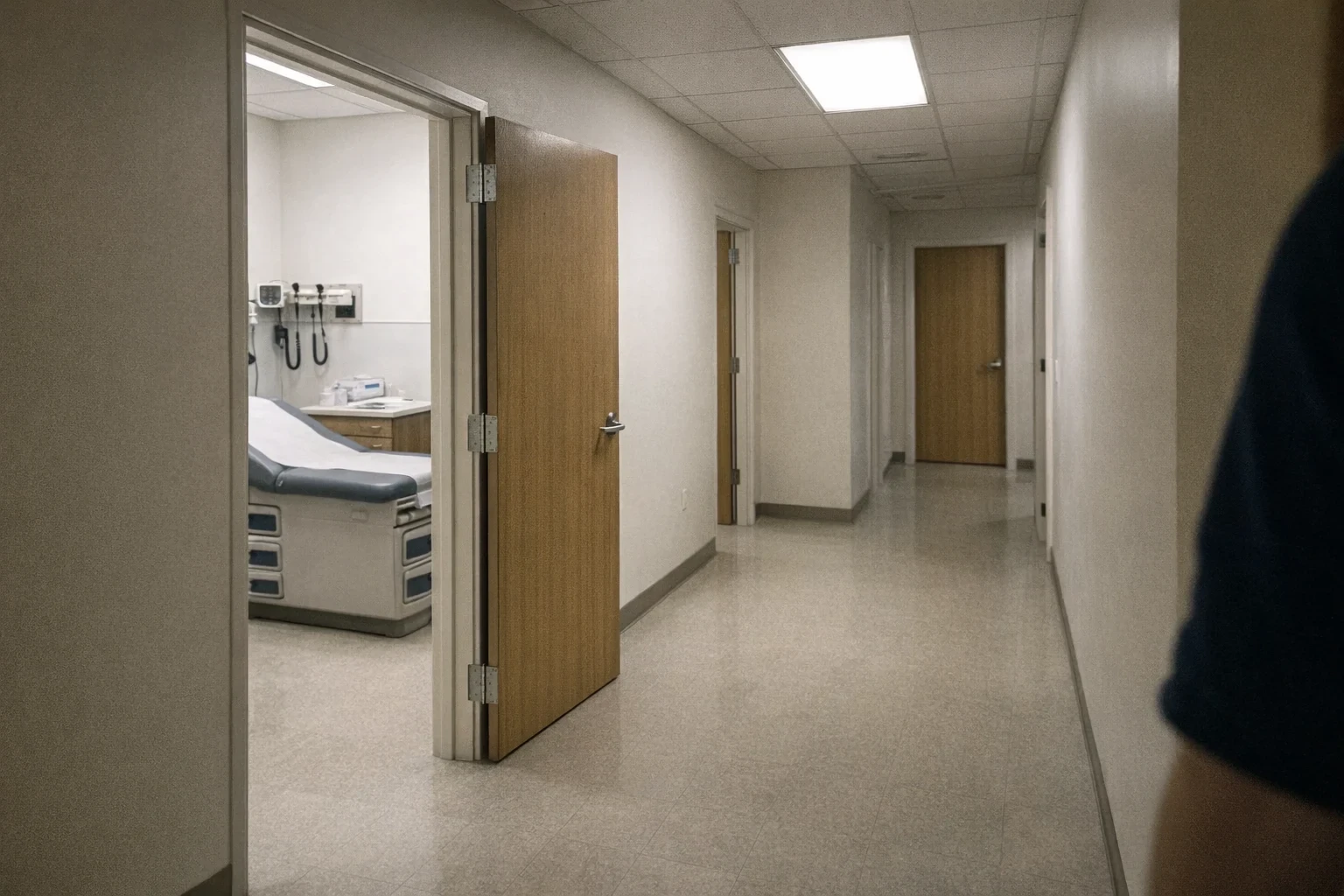
Compare urgent care mental health visit costs in 2026. Learn therapy, psychiatry, and crisis care pricing t...
Physical therapy involves a multitude of techniques aimed at enhancing function and mobility. Certified PTs assess your condition and design a personalized treatment plan. Common modalities include modalities like ultrasound, TENS units, and therapeutic exercises.
You might benefit from physical therapy after surgery, an injury, or chronic pain conditions. Conditions like sports injuries often warrant a tailored program. On the other hand, in cases where you are just feeling sore from a workout, over-the-counter medications may suffice.
The typical process begins with an initial evaluation, where your therapist will discuss your medical history and perform physical assessments. Based on, they will modify a treatment plan that includes immediate targets and future targets.
Each session usually lasts 30-60 minutes, with frequency varying based on your condition, generally up to four times a week. Tools used may include resistance bands, and therapeutic interventions to improve mobility and strength.
The overall length of treatment is influenced by your specific condition, but many patients wrap up their therapy in 6 to 12 weeks. Regular assessments will help progress and may modify the plan as needed.
The average cost of physical therapy sessions typically ranges from $75 to $150 per visit. Factors that can affect the price include location, the complexity of your condition, and whether you have insurance coverage. Most insurance plans provide for physical therapy, but co-pays can vary significantly.
Typically, a comprehensive assessment may cost around 150 dollars, while follow-up sessions might be less expensive. Always check if the cost includes additional services like aquatic therapy or if these come at an extra charge.
According to Price-Quotes Research Lab data for Tampa, FL, the average cost for Physical Therapy services ranges based on complexity, time of service, and provider experience. Prices in the Tampa metropolitan area may differ from national averages due to local market conditions, licensing requirements, and seasonal demand. Data reflects verified quotes collected from licensed providers serving Tampa as of October 2026.
Source: Price-Quotes Research Lab, MediQuick Tampa Market Report (2026). Methodology: Aggregated pricing data from verified, licensed providers. Sample covers the Tampa, FL metropolitan area.
| Service | Low | Average | High | Unit | Confidence |
|---|---|---|---|---|---|
| Dermatology | $120 | $250 | $400 | per visit | ●●●○○ |
| Mental Health Counseling | $100 | $150 | $200 | per hour | ●●●○○ |
| Physical Therapy | $100 | $150 | $200 | per visit | ●●●○○ |
| Primary Care Doctor | $100 | $175 | $250 | per visit | ●●●○○ |
| Telemedicine | $75 | $120 | $180 | per visit | ●●●○○ |
| Urgent Care | $100 | $175 | $250 | per visit | ●●●○○ |
Source: Price-Quotes Research Lab, Tampa Market Report. Based on 6 service categories. Data collected from verified, licensed providers. Methodology | Audit Trail
Price-Quotes Research Lab data shows no price data is available yet for medical services in Tampa, FL. However, understanding the local market is key to anticipating future costs. Demand for medical services may be particularly high in areas with a higher concentration of elderly residents, such as the historic neighborhoods of Hyde Park and Palma Ceia, which feature a mix of grand old homes and more modern construction. The presence of major medical facilities like Tampa General Hospital, located near the University of Tampa, also influences demand and potential pricing. The city's growing population, fueled by migration from other states and the increasing number of retirees, is placing additional pressure on healthcare resources. Furthermore, the 1960s ranch-style homes along Gandy Boulevard, a major east-west artery, may require specific accessibility modifications, potentially impacting the cost of certain medical services. The city's reliance on public transportation, including the HART bus system, can also impact the accessibility of medical care for some residents. While no current price data exists, we can anticipate that medical service prices in Tampa will be influenced by these local factors.
Our pricing data currently lacks seasonal information, but Tampa's unique climate suggests potential fluctuations. Medical service costs might experience a surge during hurricane season (June 1st to November 30th), as residents seek preventative care and post-storm medical attention. The influx of seasonal residents, known as “snowbirds,” during the winter months (November to April) could also drive up demand and potentially lead to higher prices. These patterns are further complicated by the humidity levels, especially during the summer months. Keep an eye out for discounts and promotions during the slower summer months to get the best value.
While Price-Quotes Research Lab has no data to compare the price of medical services in Tampa, we can make some assumptions based on national trends. The national average cost for a standard doctor's visit is around $150. Given Tampa's relatively low cost of living compared to other major metropolitan areas, we might expect prices to be slightly lower than the national average, especially for services offered outside of the downtown area. However, factors like the concentration of healthcare providers in certain neighborhoods, like near the University of South Florida, and the potential impact of local labor costs may affect the cost. We anticipate that as data is collected, we will see that the cost of medical services will vary based on the service and the location of the provider.
Price-Quotes Research Lab • Anonymous • Helps set better industry standards
How would you rate your most recent Physical Therapy experience?
What was the biggest issue? (pick one)
How much did you pay? (rough estimate is fine)
Thanks! Here's what others in Tampa reported:
Price-Quotes Research Lab Tampa Consumer Satisfaction Survey • Anonymous • Ongoing
Price-Quotes Research Lab • What should EVERY provider do? • 10 seconds
Which should be MANDATORY for all healthcare providers? (pick all that apply)
Great picks! Here's what Tampa consumers agree on:
Price-Quotes Research Lab — "What Consumers Want" Standards Report • Tampa, FL
Price-Quotes Research Lab • Quick trade-offs • Helps providers improve
Would you pay more out-of-pocket if it guaranteed...
Interesting! Here's how Tampa residents feel:
Price-Quotes Research Lab — Consumer Willingness-to-Pay Study • Tampa Metro