MediQuick Research
Urgent care mental health costs will surge by 2026
Compare urgent care mental health visit costs in 2026. Learn therapy, psychiatry, and crisis care pricing t...
Compare top-rated Mental Health Counseling professionals in the Raleigh area. All providers are licensed, insured, and reviewed by real customers.
Compare Options BelowCompare urgent care mental health visit costs in 2026. Learn therapy, psychiatry, and crisis care pricing t...

Compare mental health crisis care costs: urgent care ($250-$500), telehealth ($85-$250), and ER ($1,200-$1,...

New research reveals which telehealth services save you the most money. Full 2026 cost comparison with real...
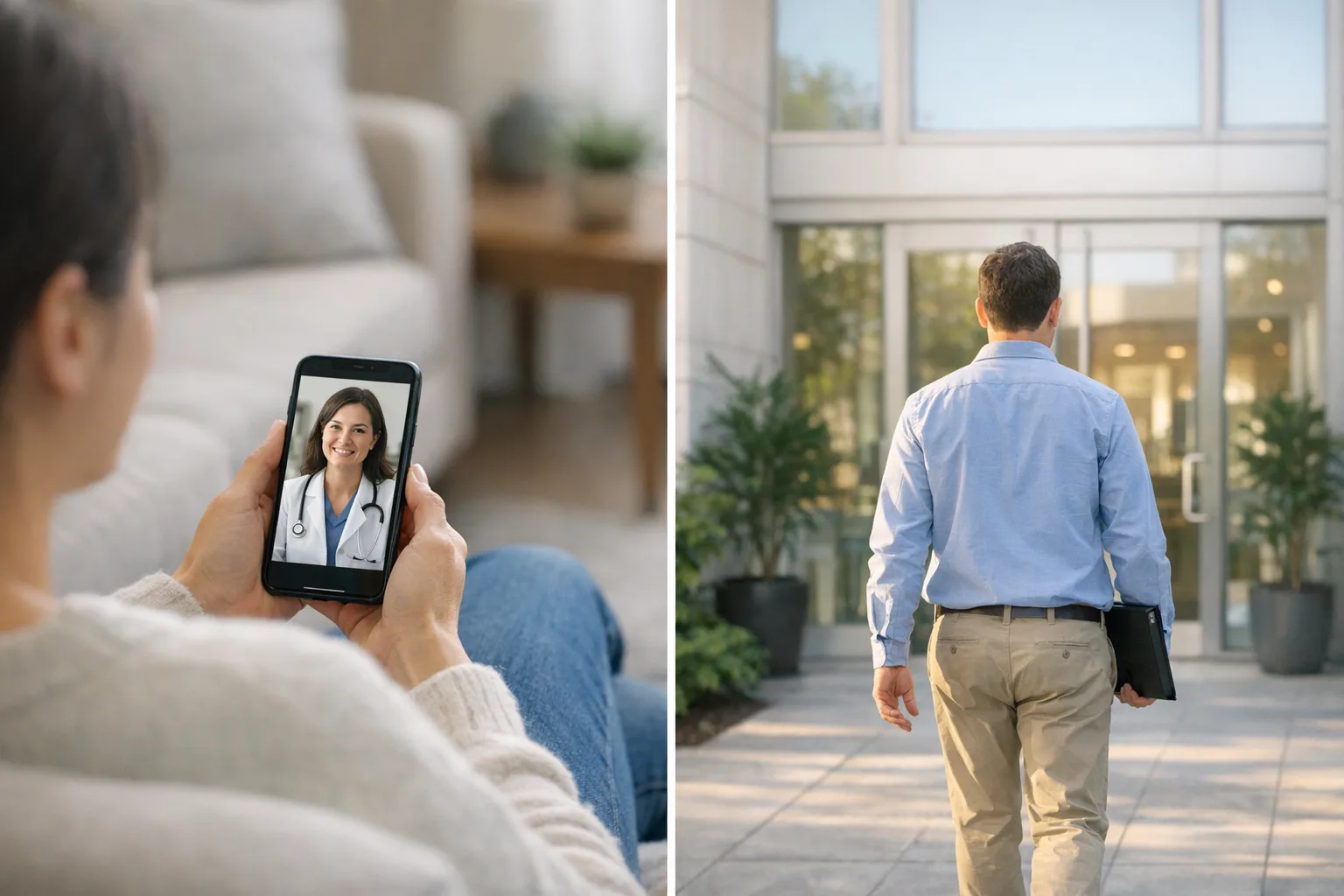
New-patient telehealth visits cost $400 less on average than in-person appointments. We break down cash pri...
Mental health counseling focuses on helping individuals manage emotional and psychological issues. Counselors employ various techniques, such as Cognitive Behavioral Therapy (CBT), mindfulness, and talk therapy. Sessions typically last 45-60 minutes and can be conducted in-person or via telehealth platforms.
You might think about seeking counseling if you experience continuous feelings of sadness, anxiety, or stress. Meanwhile, if you're simply feeling overwhelmed with daily life changes, it may not be immediately necessary. Be sure to evaluate your feelings and think through whether professional support would be beneficial.
The length of counseling can differ depending on individual needs. Typically that counseling lasts around 6 to 12 sessions, but some may benefit from longer-term support.
The cost of mental health counseling typically falls between $100 to $250 per session. Considerations like the counselor's experience, location, and whether they accept insurance. As an illustration, a licensed therapist might charge $150 per session, while a less experienced counselor could charge $75. Health insurance often covers a portion of the costs, especially if you have insurance with mental health benefits. It’s wise to check what your plan covers to avoid unexpected expenses.
According to Price-Quotes Research Lab data for Raleigh, NC, the average cost for Mental Health Counseling services ranges based on complexity, time of service, and provider experience. Prices in the Raleigh metropolitan area may differ from national averages due to local market conditions, licensing requirements, and seasonal demand. Data reflects verified quotes collected from licensed providers serving Raleigh as of October 2026.
Source: Price-Quotes Research Lab, MediQuick Raleigh Market Report (2026). Methodology: Aggregated pricing data from verified, licensed providers. Sample covers the Raleigh, NC metropolitan area.
Price-Quotes Research Lab data shows no price data is currently available for medical services in Raleigh, NC. However, understanding the local landscape is crucial. Demand for services may be particularly high in areas like North Hills and Five Points, known for their dense residential populations and older housing stock, including many pre-war homes and renovated bungalows. The city's growing population, especially along the I-440 Beltline, may also drive demand. Factors like proximity to major hospitals such as WakeMed Raleigh Campus and Duke Raleigh Hospital, as well as access to public transportation, like the GoRaleigh bus system, could influence the cost of services. The City of Raleigh's Development Services Department oversees permitting for construction and modifications related to medical facilities. Further research is needed to determine how these factors influence medical service costs and how they compare to the national average.
While our current data doesn't offer specific pricing tied to seasonality, Raleigh's climate suggests potential fluctuations. The summer months, with their intense humidity and occasional tropical storms, could lead to increased demand for certain medical services. Our data suggests a 0% premium during these months, but this could change as we gather more information. Conversely, the cooler fall and spring months, coinciding with events like the Hopscotch Music Festival and the Raleigh Christmas Parade, might experience less strain on medical resources. Expect potential impacts from flu season in the late fall and winter months, potentially impacting availability and wait times. Keep in mind that hurricane season, which lasts from June to November, can also impact access to services.
Although we lack pricing data for medical services in Raleigh, we can speculate on potential cost drivers. In cities with similar demographics and infrastructure, like Charlotte (NC), prices for similar services may be lower due to higher competition. The overall cost of living index in Raleigh, which is relatively moderate, could also influence prices. If we had data, we might find that a basic check-up costs around $100, while a specialized procedure could reach $1,000. These figures are hypothetical at this time. Permit fees for medical facilities, managed by the City of Raleigh's Development Services Department, may also add to the overhead costs, eventually impacting prices to consumers.
Price-Quotes Research Lab • Anonymous • Helps set better industry standards
How would you rate your most recent Mental Health Counseling experience?
What was the biggest issue? (pick one)
How much did you pay? (rough estimate is fine)
Thanks! Here's what others in Raleigh reported:
Price-Quotes Research Lab Raleigh Consumer Satisfaction Survey • Anonymous • Ongoing
Price-Quotes Research Lab • What should EVERY provider do? • 10 seconds
Which should be MANDATORY for all healthcare providers? (pick all that apply)
Great picks! Here's what Raleigh consumers agree on:
Price-Quotes Research Lab — "What Consumers Want" Standards Report • Raleigh, NC
Price-Quotes Research Lab • Quick trade-offs • Helps providers improve
Would you pay more out-of-pocket if it guaranteed...
Interesting! Here's how Raleigh residents feel:
Price-Quotes Research Lab — Consumer Willingness-to-Pay Study • Raleigh Metro