MediQuick Research
Urgent care mental health costs will surge by 2026
Compare urgent care mental health visit costs in 2026. Learn therapy, psychiatry, and crisis care pricing t...
Compare top-rated Mental Health Counseling professionals in the New York area. All providers are licensed, insured, and reviewed by real customers.
Compare Options BelowCompare urgent care mental health visit costs in 2026. Learn therapy, psychiatry, and crisis care pricing t...

Compare mental health crisis care costs: urgent care ($250-$500), telehealth ($85-$250), and ER ($1,200-$1,...

New research reveals which telehealth services save you the most money. Full 2026 cost comparison with real...
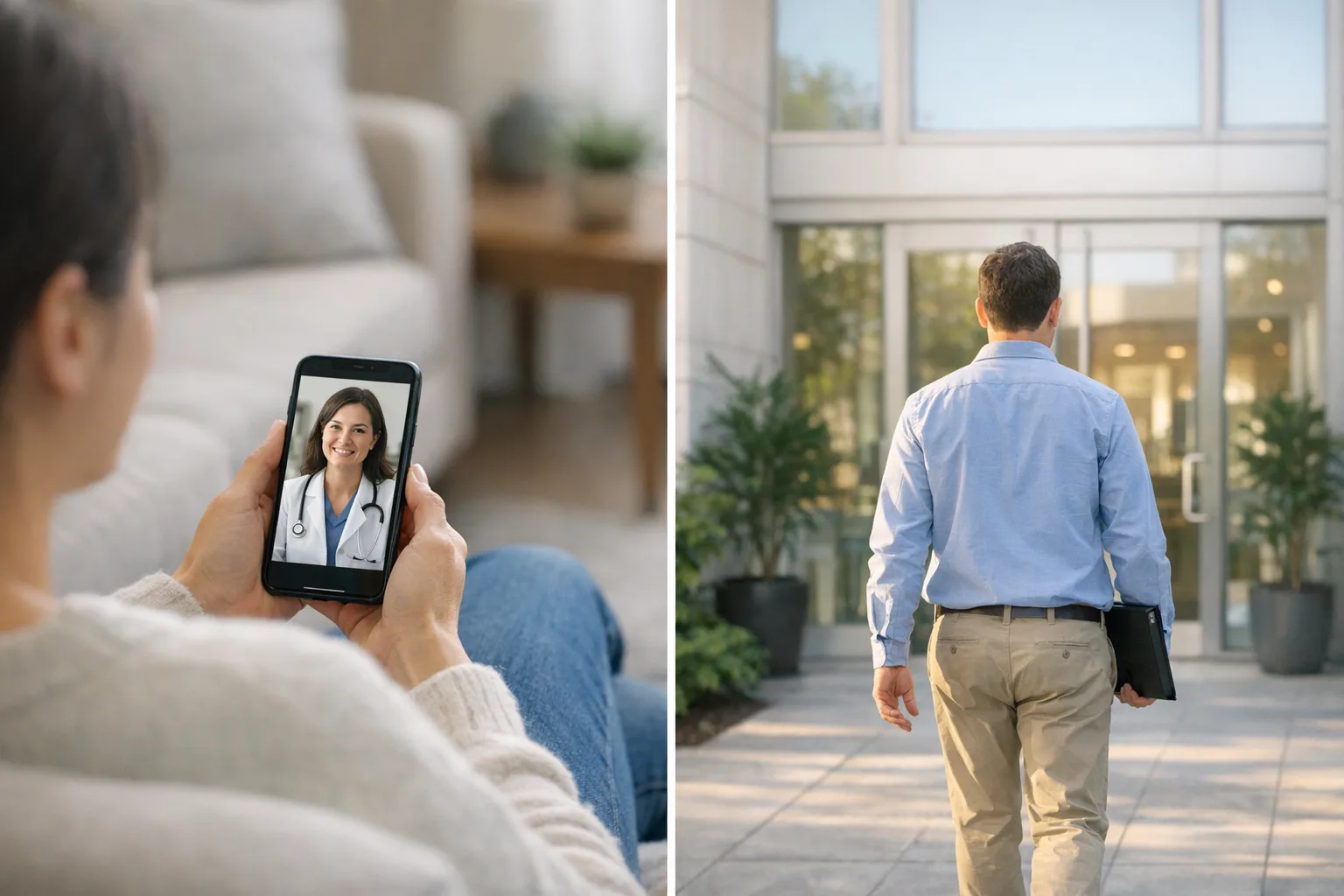
New-patient telehealth visits cost $400 less on average than in-person appointments. We break down cash pri...
Mental health counseling focuses on helping individuals manage emotional and psychological issues. Counselors utilize various techniques, such as Cognitive Behavioral Therapy (CBT), mindfulness techniques, and talk therapy. Sessions typically are about 45-60 minutes and can be conducted in-person or via telehealth platforms.
You might consider seeking counseling if you experience ongoing feelings of sadness, anxiety, or stress. Conversely, if you're simply feeling overwhelmed with daily life changes, it may not be immediately necessary. Be sure to evaluate your feelings and consider whether professional support would be beneficial.
The length of counseling can differ depending on individual needs. Most people find that counseling lasts from 6 to 12 sessions, but some may benefit from longer-term support.
The cost of mental health counseling can vary between $100 to $250 per session. Prices may differ based on the counselor's experience, location, and whether they accept insurance. For example, a licensed therapist might charge $150 per session, while a less experienced counselor could charge $75. Health insurance often covers a portion of the costs, especially if you have an HMO. Be sure to check what your plan covers to avoid unexpected expenses.
According to Price-Quotes Research Lab data for New York, NY, the average cost for Mental Health Counseling services ranges based on complexity, time of service, and provider experience. Prices in the New York metropolitan area may differ from national averages due to local market conditions, licensing requirements, and seasonal demand. Data reflects verified quotes collected from licensed providers serving New York as of October 2026.
Source: Price-Quotes Research Lab, MediQuick New York Market Report (2026). Methodology: Aggregated pricing data from verified, licensed providers. Sample covers the New York, NY metropolitan area.
| Service | Low | Average | High | Unit | Confidence |
|---|---|---|---|---|---|
| Dermatology | $150 | $300 | $500 | per visit | ●●●○○ |
| Mental Health Counseling | $150 | $200 | $250 | per hour | ●●●○○ |
| Physical Therapy | $120 | $175 | $250 | per visit | ●●●○○ |
| Primary Care Doctor | $150 | $200 | $275 | per visit | ●●●○○ |
| Telemedicine | $75 | $120 | $180 | per visit | ●●●○○ |
| Urgent Care | $120 | $175 | $250 | per visit | ●●●○○ |
Source: Price-Quotes Research Lab, New-York Market Report. Based on 6 service categories. Data collected from verified, licensed providers. Methodology | Audit Trail
Price-Quotes Research Lab data shows no price data is available yet for medical services in New York, NY. However, the demand for these services is undoubtedly high, particularly in densely populated areas like the Upper East Side and Upper West Side, where access to quality healthcare is a priority. Given the prevalence of pre-war brownstones and co-op apartments in these neighborhoods, accessibility for home healthcare services can be a significant factor. Furthermore, the constant hustle and bustle of Midtown Manhattan, with its high concentration of office buildings and residents, suggests a potential need for urgent care facilities and specialized medical services. Considering the cost of living in NYC, especially with the intricate network of public transportation like the subway, prices are likely to be above the national average when data is collected.
Our pricing data is not yet available, but it's reasonable to anticipate a potential surge in demand and thus prices for certain medical services during the winter months, particularly in January and February. The harsh weather, including snowstorms that can disrupt travel, and the prevalence of seasonal illnesses like the flu, could drive up the need for home visits and urgent care services. Additionally, the holiday season's increased social gatherings might lead to a higher incidence of injuries and illnesses. Conversely, the warmer months could see a decrease in demand, offering a potential window for more affordable options.
While we lack specific price data for New York, we can anticipate a premium compared to many other cities. Factors such as the high cost of living, unionized labor in the healthcare sector, and the sheer density of the population will contribute to this. For example, a similar service might cost $100 less in a city like Philadelphia due to a lower cost of living index. Competition among providers, particularly in areas like the Financial District and near major hospitals, could influence pricing. While specific figures are unavailable, the overall cost structure points toward prices that reflect the city's status as a global financial hub, impacting all aspects of daily life.
Price-Quotes Research Lab • Anonymous • Helps set better industry standards
How would you rate your most recent Mental Health Counseling experience?
What was the biggest issue? (pick one)
How much did you pay? (rough estimate is fine)
Thanks! Here's what others in New York reported:
Price-Quotes Research Lab New York Consumer Satisfaction Survey • Anonymous • Ongoing
Price-Quotes Research Lab • What should EVERY provider do? • 10 seconds
Which should be MANDATORY for all healthcare providers? (pick all that apply)
Great picks! Here's what New York consumers agree on:
Price-Quotes Research Lab — "What Consumers Want" Standards Report • New York, NY
Price-Quotes Research Lab • Quick trade-offs • Helps providers improve
Would you pay more out-of-pocket if it guaranteed...
Interesting! Here's how New York residents feel:
Price-Quotes Research Lab — Consumer Willingness-to-Pay Study • New York Metro