
MediQuick Research
The $87 Lab Gap: How Much Blood Work Actually Costs at Quest vs Hospital Lab vs Urgent Care in 2026
Blood work costs vary by $700+ depending on lab choice. Quest vs hospital vs urgent care pricing revealed f...
Compare top-rated Lab Testing professionals in the San Diego area. All providers are licensed, insured, and reviewed by real customers.
Compare Options BelowBlood work costs vary by $700+ depending on lab choice. Quest vs hospital vs urgent care pricing revealed f...
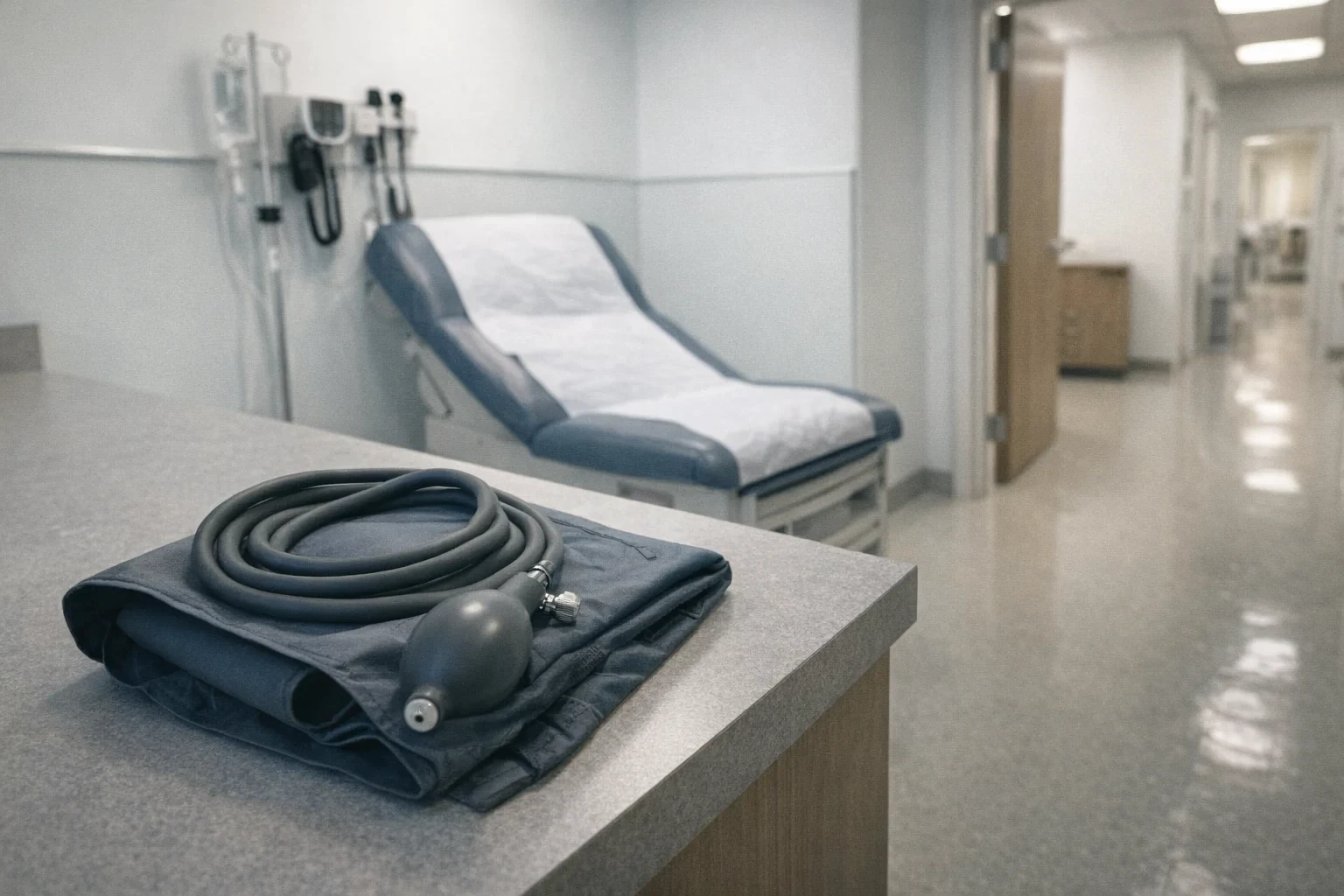
Medicare physician fee schedule 2018-2023: see real prices for office visits, lab tests, and specialists. D...
Medicare pays $175 for a primary care visit—but cash-pay patients often pay $250+. See the 2026 CMS prici...

Urgent care charges $120 more on average for sports and work physicals than primary care in 2026. Here's th...
Lab testing involves a variety of analyses performed on samples like blood, urine, or tissue. These tests aid in diagnosing conditions, monitoring health, and guiding treatment. Some common tests feature complete blood counts (CBC), blood glucose tests, and urinalysis.
You might need lab testing in cases where your doctor suspects a medical condition or as part of routine health screenings. For example, annual physicals often include basic lab tests. However, not all health concerns require lab testing; symptoms can sometimes be assessed through physical examinations alone.
The typical lab testing process includes several steps:
Typically, lab testing takes anywhere from a few hours to several days, depending on the complexity of the tests and the lab's workload.
The cost of lab testing can vary significantly based on several factors. Basic tests such as a CBC might cost between $10 to $50, while more specialized tests can range from $100 to $2,000. Aspects influencing these prices include:
Additional costs may arise for follow-up tests or consultations, so always check with your provider beforehand.
According to Price-Quotes Research Lab data for San Diego, CA, the average cost for Lab Testing services ranges based on complexity, time of service, and provider experience. Prices in the San Diego metropolitan area may differ from national averages due to local market conditions, licensing requirements, and seasonal demand. Data reflects verified quotes collected from licensed providers serving San Diego as of October 2026.
Source: Price-Quotes Research Lab, MediQuick San Diego Market Report (2026). Methodology: Aggregated pricing data from verified, licensed providers. Sample covers the San Diego, CA metropolitan area.
| Service | Low | Average | High | Unit | Confidence |
|---|---|---|---|---|---|
| Dermatology | $150 | $275 | $400 | per visit | ●●●○○ |
| Mental Health Counseling | $120 | $175 | $250 | per hour | ●●●○○ |
| Physical Therapy | $100 | $150 | $200 | per visit | ●●●○○ |
| Primary Care Doctor | $120 | $180 | $250 | per visit | ●●●○○ |
| Telemedicine | $75 | $120 | $180 | per visit | ●●●○○ |
| Urgent Care | $100 | $175 | $250 | per visit | ●●●○○ |
Source: Price-Quotes Research Lab, San-Diego Market Report. Based on 6 service categories. Data collected from verified, licensed providers. Methodology | Audit Trail
Price-Quotes Research Lab data shows that current pricing for medical services in San Diego is unavailable. However, understanding the local landscape is key. The demand for healthcare services can vary significantly across San Diego's diverse neighborhoods. Areas like La Jolla, known for its affluent residents and proximity to Scripps Memorial Hospital, may see different utilization patterns compared to communities in City Heights or Barrio Logan. These neighborhoods have a higher concentration of families and seniors, leading to different healthcare needs and potentially impacting demand for various services. Housing stock also plays a part; older stucco homes common in areas like North Park might require more in-home care services compared to newer construction in coastal communities. Infrastructure, such as the I-5 and I-805 corridors, influences accessibility to clinics and hospitals, impacting service utilization and demand across the region.
Due to the lack of available price data, seasonal pricing trends in San Diego healthcare services cannot be determined. However, seasonal factors often influence healthcare demand. For example, the influx of tourists during the summer months, particularly in areas like Coronado and Pacific Beach, can increase demand for urgent care and other medical services. Conversely, the "May Gray" and "June Gloom" weather patterns, which often bring overcast skies and cooler temperatures, can lead to increased cases of seasonal affective disorder, potentially impacting demand for mental health services. Furthermore, flu season, typically starting in the fall and peaking in the winter months, consistently leads to a surge in demand for flu shots and related treatments.
While our data lacks specific pricing for San Diego medical services, we can explore potential cost influences. The cost of living in San Diego is known to be higher than the national average, which is likely to impact labor costs for medical professionals and, subsequently, service prices. The presence of major healthcare providers like Scripps and Sharp Healthcare, and their influence on the local market, may also affect pricing strategies. Comparing San Diego to other California cities like Los Angeles, known for its high healthcare costs, could be informative. The California Department of Public Health oversees the licensing and regulation of healthcare facilities. This regulatory environment and the city's overall cost structure contribute to the landscape of medical service pricing.
Price-Quotes Research Lab • Anonymous • Helps set better industry standards
How would you rate your most recent Lab Testing experience?
What was the biggest issue? (pick one)
How much did you pay? (rough estimate is fine)
Thanks! Here's what others in San Diego reported:
Price-Quotes Research Lab San Diego Consumer Satisfaction Survey • Anonymous • Ongoing
Price-Quotes Research Lab • What should EVERY provider do? • 10 seconds
Which should be MANDATORY for all healthcare providers? (pick all that apply)
Great picks! Here's what San Diego consumers agree on:
Price-Quotes Research Lab — "What Consumers Want" Standards Report • San Diego, CA
Price-Quotes Research Lab • Quick trade-offs • Helps providers improve
Would you pay more out-of-pocket if it guaranteed...
Interesting! Here's how San Diego residents feel:
Price-Quotes Research Lab — Consumer Willingness-to-Pay Study • San Diego Metro