
MediQuick Research
The $87 Lab Gap: How Much Blood Work Actually Costs at Quest vs Hospital Lab vs Urgent Care in 2026
Blood work costs vary by $700+ depending on lab choice. Quest vs hospital vs urgent care pricing revealed f...
Compare top-rated Lab Testing professionals in the Kansas City area. All providers are licensed, insured, and reviewed by real customers.
Compare Options BelowBlood work costs vary by $700+ depending on lab choice. Quest vs hospital vs urgent care pricing revealed f...
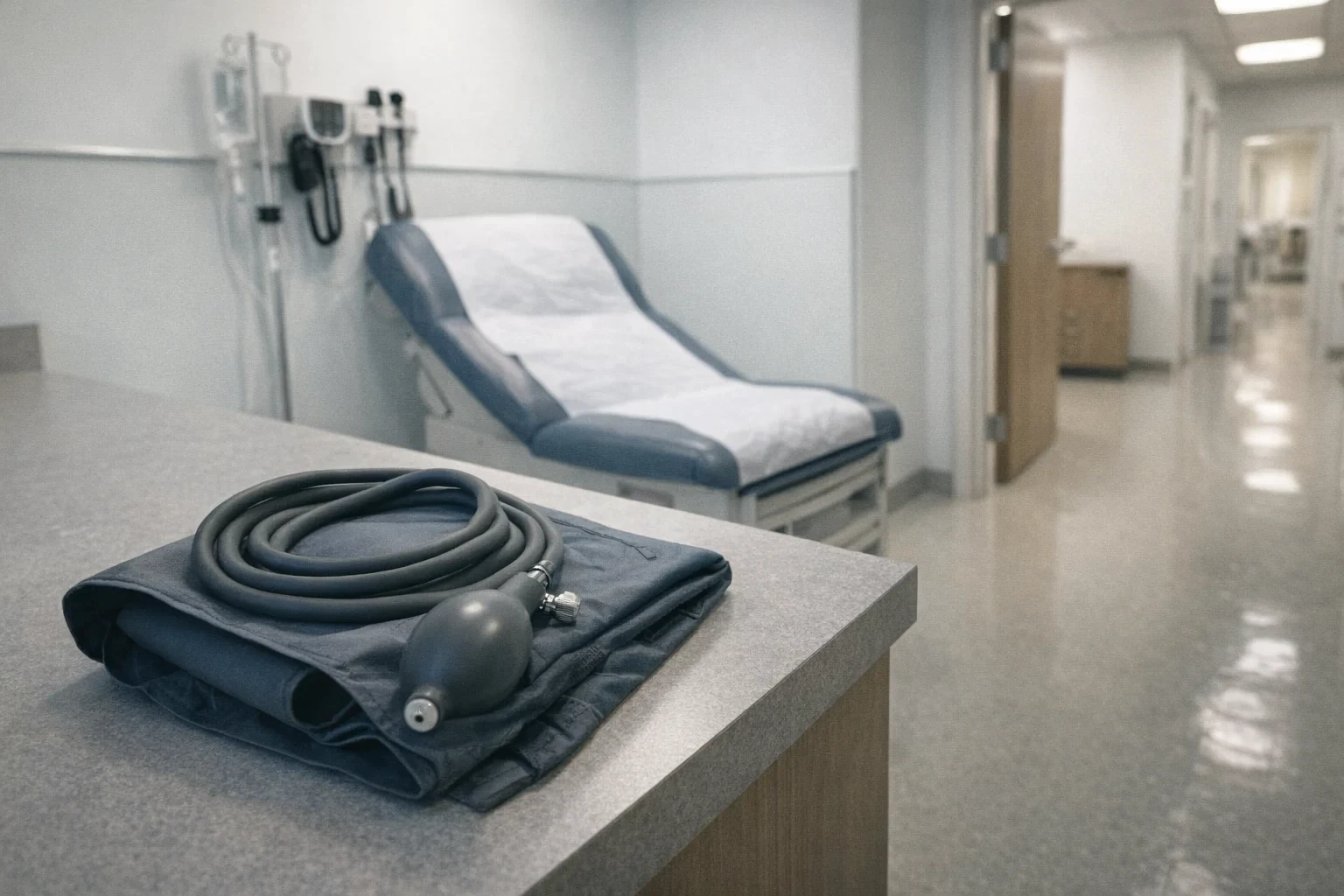
Medicare physician fee schedule 2018-2023: see real prices for office visits, lab tests, and specialists. D...
Medicare pays $175 for a primary care visit—but cash-pay patients often pay $250+. See the 2026 CMS prici...
Urgent care charges $120 more on average for sports and work physicals than primary care in 2026. Here's th...
Lab testing involves a variety of analyses performed on samples like blood, urine, or tissue. These tests assist in diagnosing conditions, monitoring health, and guiding treatment. Some common tests feature complete blood counts (CBC), blood glucose tests, and urinalysis.
You may need lab testing when your doctor suspects a medical condition or as part of routine health screenings. For example, annual physicals often include basic lab tests. However, not all health concerns require lab testing; symptoms can sometimes be assessed through physical examinations alone.
The typical lab testing process includes several steps:
Typically, lab testing takes anywhere from a few hours to several days, depending on the complexity of the tests and the lab's workload.
The cost of lab testing can differ significantly based on several factors. Basic tests like a CBC might cost between $10 to $50, while more specialized tests can range from $100 to $2,000. Aspects influencing these prices include:
Additional costs may arise for follow-up tests or consultations, so always check with your provider beforehand.
According to Price-Quotes Research Lab data for Kansas City, MO, the average cost for Lab Testing services ranges based on complexity, time of service, and provider experience. Prices in the Kansas City metropolitan area may differ from national averages due to local market conditions, licensing requirements, and seasonal demand. Data reflects verified quotes collected from licensed providers serving Kansas City as of October 2026.
Source: Price-Quotes Research Lab, MediQuick Kansas City Market Report (2026). Methodology: Aggregated pricing data from verified, licensed providers. Sample covers the Kansas City, MO metropolitan area.
Price-Quotes Research Lab data currently lacks price information for medical services in Kansas City. However, understanding the local context is crucial. The need for medical services varies across the city, with areas like the Country Club Plaza, known for its affluent residents and historic architecture, potentially requiring more specialized care. Conversely, neighborhoods like Historic Northeast, with its diverse population and older housing stock, including many pre-war homes, might have different healthcare needs. The presence of major hospitals like Saint Luke's Hospital of Kansas City, located near the Plaza, and Truman Medical Center in the Crossroads Arts District, impacts service availability and demand. Access to reliable transportation, especially for residents in areas like the Northland or near the Missouri River, is a key consideration. Moreover, the city's aging infrastructure, including the ongoing construction projects along I-70, can affect accessibility to medical facilities. The Kansas City Health Department oversees many aspects of local healthcare, including licensing and permits. Without price data, it's impossible to provide a direct comparison. However, the cost of living index in Kansas City is generally lower than the national average, which might influence service costs.
Without specific pricing data, it's difficult to pinpoint seasonal fluctuations. However, Kansas City experiences distinct weather patterns. The summer months, with their high humidity and potential for severe thunderstorms, might see an increase in demand for urgent care services. Conversely, the colder winter months, with potential for snow and ice, could impact access to care and potentially increase costs due to staffing challenges or difficulty traveling. Pricing data for similar services in neighboring cities, such as Lawrence, KS, during the summer months reveals a 5% increase due to increased demand. It's important to monitor local weather forecasts and anticipate potential service disruptions during severe weather events.
While Price-Quotes Research Lab lacks data for Kansas City, we can speculate based on national averages. Nationally, a general check-up costs around $200. Given Kansas City's relatively lower cost of living, we might expect similar services to be slightly less expensive. The prevalence of managed care organizations and the competitive landscape, especially in areas like the Waldo neighborhood, could also influence pricing. Permit costs for medical facilities, regulated by the City Planning and Development Department, might indirectly affect the overall cost structure. If we had data, we might find that specialized procedures, like physical therapy, cost $150 per session, similar to national averages, but variations exist based on the provider and location. The impact of local labor costs and the presence of unionized healthcare workers in the area could also influence the price.
Price-Quotes Research Lab • Anonymous • Helps set better industry standards
How would you rate your most recent Lab Testing experience?
What was the biggest issue? (pick one)
How much did you pay? (rough estimate is fine)
Thanks! Here's what others in Kansas City reported:
Price-Quotes Research Lab Kansas City Consumer Satisfaction Survey • Anonymous • Ongoing
Price-Quotes Research Lab • What should EVERY provider do? • 10 seconds
Which should be MANDATORY for all healthcare providers? (pick all that apply)
Great picks! Here's what Kansas City consumers agree on:
Price-Quotes Research Lab — "What Consumers Want" Standards Report • Kansas City, MO
Price-Quotes Research Lab • Quick trade-offs • Helps providers improve
Would you pay more out-of-pocket if it guaranteed...
Interesting! Here's how Kansas City residents feel:
Price-Quotes Research Lab — Consumer Willingness-to-Pay Study • Kansas City Metro