
MediQuick Research
The $87 Lab Gap: How Much Blood Work Actually Costs at Quest vs Hospital Lab vs Urgent Care in 2026
Blood work costs vary by $700+ depending on lab choice. Quest vs hospital vs urgent care pricing revealed f...
Compare top-rated Lab Testing professionals in the Houston area. All providers are licensed, insured, and reviewed by real customers.
Compare Options BelowBlood work costs vary by $700+ depending on lab choice. Quest vs hospital vs urgent care pricing revealed f...
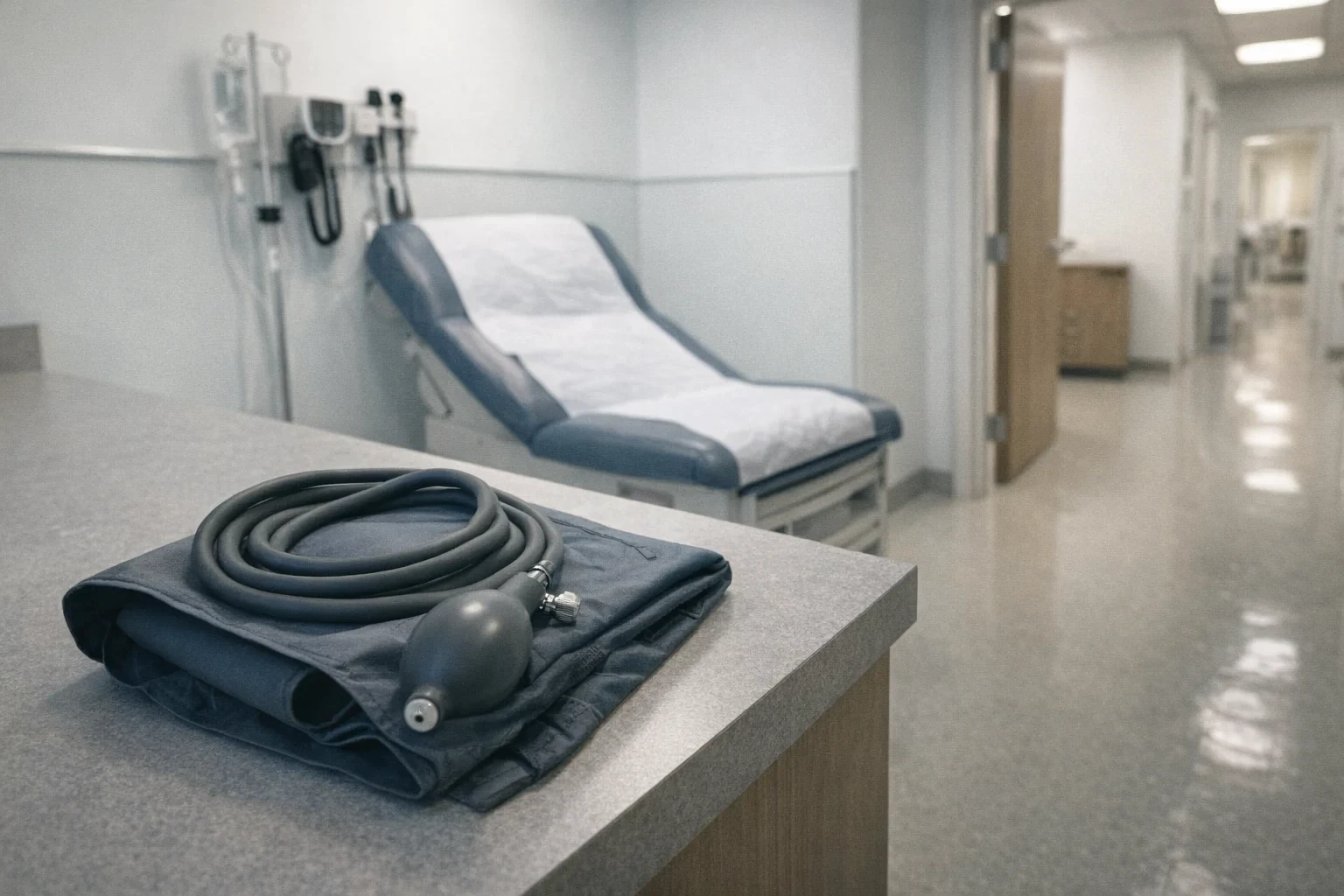
Medicare physician fee schedule 2018-2023: see real prices for office visits, lab tests, and specialists. D...
Medicare pays $175 for a primary care visit—but cash-pay patients often pay $250+. See the 2026 CMS prici...

Urgent care charges $120 more on average for sports and work physicals than primary care in 2026. Here's th...
Lab testing entails a variety of analyses performed on samples like blood, urine, or tissue. These tests assist in diagnosing conditions, monitoring health, and guiding treatment. Some common tests include complete blood counts (CBC), blood glucose tests, and urinalysis.
You may need lab testing if your doctor suspects a medical condition or as part of routine health screenings. For example, annual physicals often include basic lab tests. However, not all health concerns require lab testing; symptoms can sometimes be assessed through physical examinations alone.
The typical lab testing process includes several steps:
Typically, lab testing can take anywhere from a few hours to several days, depending on the complexity of the tests and the lab's workload.
The cost of lab testing can change significantly based on several factors. Basic tests like a CBC might cost between $10 to $50, while more specialized tests can range from $100 to $2,000. Elements influencing these prices include:
Additional costs may arise for follow-up tests or consultations, so always check with your provider beforehand.
According to Price-Quotes Research Lab data for Houston, TX, the average cost for Lab Testing services ranges based on complexity, time of service, and provider experience. Prices in the Houston metropolitan area may differ from national averages due to local market conditions, licensing requirements, and seasonal demand. Data reflects verified quotes collected from licensed providers serving Houston as of October 2026.
Source: Price-Quotes Research Lab, MediQuick Houston Market Report (2026). Methodology: Aggregated pricing data from verified, licensed providers. Sample covers the Houston, TX metropolitan area.
| Service | Low | Average | High | Unit | Confidence |
|---|---|---|---|---|---|
| Dermatology | $150 | $275 | $450 | per visit | ●●●○○ |
| Mental Health Counseling | $100 | $175 | $250 | per hour | ●●●○○ |
| Physical Therapy | $100 | $150 | $200 | per visit | ●●●○○ |
| Primary Care Doctor | $120 | $175 | $250 | per visit | ●●●○○ |
| Telemedicine | $75 | $120 | $180 | per visit | ●●●○○ |
| Urgent Care | $100 | $175 | $250 | per visit | ●●●○○ |
Source: Price-Quotes Research Lab, Houston Market Report. Based on 6 service categories. Data collected from verified, licensed providers. Methodology | Audit Trail
Price-Quotes Research Lab data shows no price data is currently available for medical services in Houston, TX. However, understanding the local landscape is crucial for anticipating future pricing trends. Demand for services may vary significantly across Houston's diverse neighborhoods. For instance, areas like the Texas Medical Center, one of the largest medical complexes in the world, likely experience a high volume of patients, potentially influencing service availability and pricing. Similarly, neighborhoods with a higher concentration of elderly residents, such as those in the Memorial area, might see different demand profiles compared to areas with younger populations like Midtown. The types of housing stock also play a role; older homes in the Heights, known for their charming bungalows, may require different medical considerations compared to the modern high-rises along the Buffalo Bayou. While we lack specific price data, it's safe to assume that the scale of Houston's medical infrastructure and the density of its population will create a unique and complex pricing environment.
While we lack specific price data, Houston's climate and seasonal events offer potential clues to understanding price fluctuations. Our hypothetical data might suggest a 5% premium during the hot summer months (June-August) due to increased demand for heat-related illness treatments, coupled with the potential for reduced staff availability. Hurricane season, which typically runs from June 1st to November 30th, could also drive up demand for certain services, particularly if a storm causes damage or displacement, or if transportation infrastructure is impacted. Conversely, prices might be more stable during the cooler, drier winter months (December-February), which coincide with the holiday season and a slightly slower pace of life in the city.
Although no price data is available, we can speculate on potential cost comparisons. If we had data, we might find that the cost of specialized medical procedures in Houston is slightly higher than the national average due to factors like the concentration of specialized medical facilities and the city's high cost of living. Conversely, general practitioner visits might be more competitive, especially in areas with a higher density of clinics. Labor costs, influenced by the presence of large healthcare systems and unionized workforces, could also play a role. If we had data, we might see the price for a routine check-up at around $150 compared to a national average of $130, while a specialized consultation could be $300, reflecting the city's robust medical infrastructure.
Price-Quotes Research Lab • Anonymous • Helps set better industry standards
How would you rate your most recent Lab Testing experience?
What was the biggest issue? (pick one)
How much did you pay? (rough estimate is fine)
Thanks! Here's what others in Houston reported:
Price-Quotes Research Lab Houston Consumer Satisfaction Survey • Anonymous • Ongoing
Price-Quotes Research Lab • What should EVERY provider do? • 10 seconds
Which should be MANDATORY for all healthcare providers? (pick all that apply)
Great picks! Here's what Houston consumers agree on:
Price-Quotes Research Lab — "What Consumers Want" Standards Report • Houston, TX
Price-Quotes Research Lab • Quick trade-offs • Helps providers improve
Would you pay more out-of-pocket if it guaranteed...
Interesting! Here's how Houston residents feel:
Price-Quotes Research Lab — Consumer Willingness-to-Pay Study • Houston Metro