
MediQuick Research
School Sports & Work Physicals Cost $120 More at Urgent Care Than Primary Care in 2026
Urgent care charges $120 more on average for sports and work physicals than primary care in 2026. Here's th...
Compare top-rated Dermatology professionals in the Nashville area. All providers are licensed, insured, and reviewed by real customers.
Compare Options BelowUrgent care charges $120 more on average for sports and work physicals than primary care in 2026. Here's th...

Urgent care self-pay rates can be $100-200 less than your insurance copay in 2026. Learn when to skip insur...
Rapid strep test costs range from $15 to $95 depending on where you go. We break down 2026 pricing at urgen...
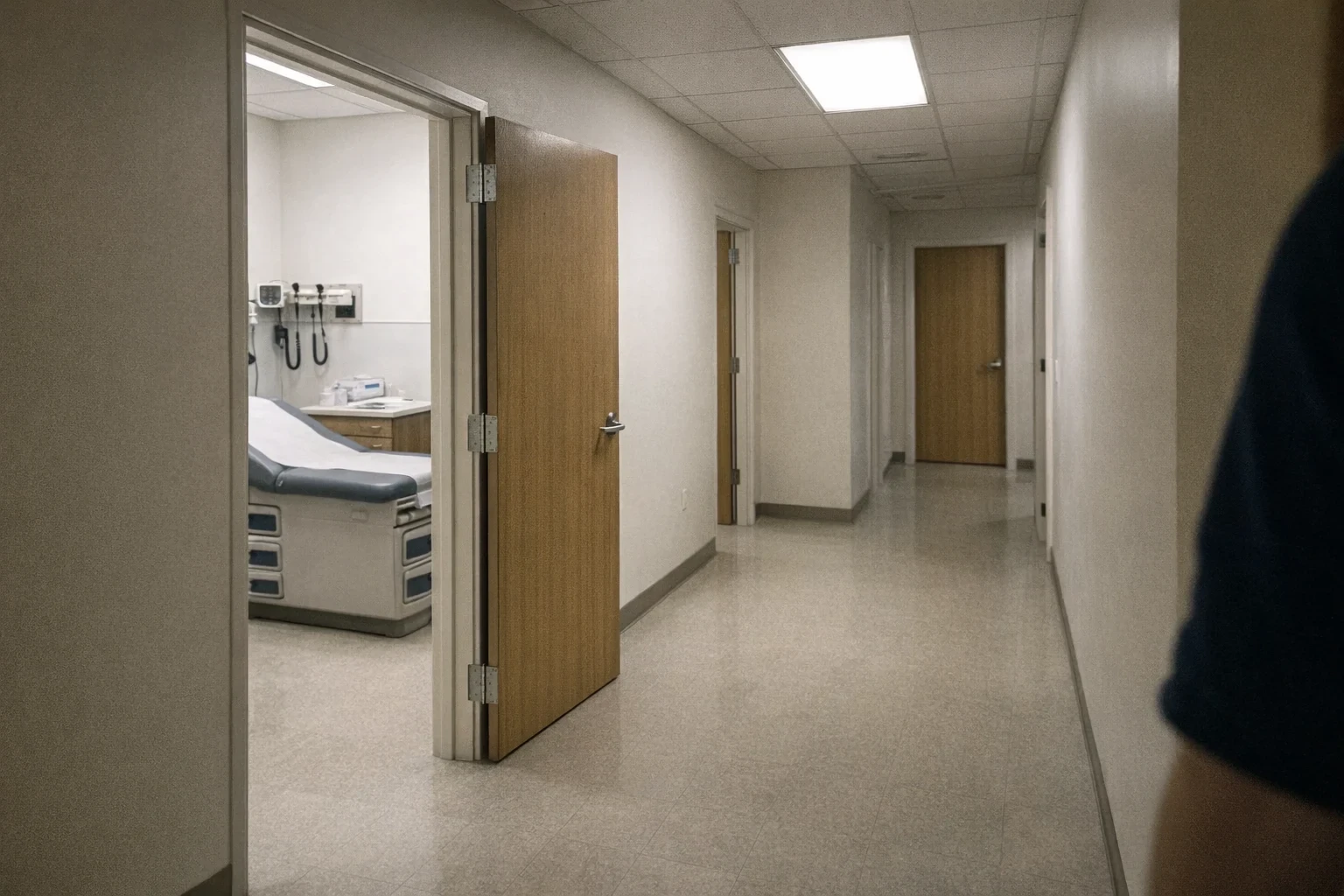
Compare urgent care mental health visit costs in 2026. Learn therapy, psychiatry, and crisis care pricing t...
Dermatology is the branch of medicine focused on skin disorders. It addresses a variety of conditions such as acne, eczema, psoriasis, and skin cancers. Dermatologists utilize methods like skin biopsies, laser therapy, and cryotherapy to diagnose and treat these issues.
You should consider a visit to a dermatologist if you notice unexplained skin conditions, changes in moles, or severe acne. However, not every skin issue necessitates a specialist; minor irritations can often be managed with over-the-counter treatments.
The process typically starts with an initial consultation, where the dermatologist will review your medical history and perform a physical examination. Expect to answer questions about your symptoms and any previous treatments you've tried. Depending on the findings, further tests may be required. This could involve blood tests to rule out serious conditions.
The duration of treatment varies widely based on the condition. For instance, a simple acne treatment plan may take several weeks to show results, while something like psoriasis may require consistent management.
Dermatologists often use instruments such as dermatoscopes for skin examinations and lasers for various treatments. They adhere to guidelines set by organizations like the American Academy of Dermatology (AAD) to ensure effective patient care.
The cost of dermatology services can range from $50-$300 for initial consultations, depending on factors like location and the provider’s experience. Follow-up visits might cost $30-$200. Additional procedures, such as biopsies, can add anywhere from 100 to 1,000. Insurance coverage also varies, with some plans covering preventative visits, while others may not.
According to Price-Quotes Research Lab data for Nashville, TN, the average cost for Dermatology services ranges based on complexity, time of service, and provider experience. Prices in the Nashville metropolitan area may differ from national averages due to local market conditions, licensing requirements, and seasonal demand. Data reflects verified quotes collected from licensed providers serving Nashville as of October 2026.
Source: Price-Quotes Research Lab, MediQuick Nashville Market Report (2026). Methodology: Aggregated pricing data from verified, licensed providers. Sample covers the Nashville, TN metropolitan area.
Price-Quotes Research Lab data does not currently include price information for medical services in Nashville. However, understanding the local landscape is key to anticipating future pricing trends. Demand for services may vary significantly across Nashville's diverse neighborhoods. For instance, the affluent areas of Belle Meade and Green Hills, with their larger homes and older populations, might exhibit a higher need for in-home care or specialized medical services compared to the more youthful and transient populations found in areas like The Gulch or 12South. The presence of major medical centers like Vanderbilt University Medical Center and Saint Thomas Health facilities, concentrated around Midtown and downtown, also influences service availability and potentially, pricing. The city's infrastructure, including traffic congestion on I-65 and I-24, could impact travel times and therefore, service costs for providers. Considering the prevalence of 1960s ranch-style homes and older properties in areas like Donelson and Hermitage, the need for services like home health or accessibility modifications might be more common there.
While we lack current price data, seasonal factors will undoubtedly play a role in Nashville. Expect service demand to fluctuate with the seasons. The humid summers, with their increased risk of heat-related illnesses, may drive up demand for urgent care services. Conversely, the cooler fall months, coinciding with the influx of tourists for events like the CMA Fest and the start of the college football season, could see increased demand for preventative care. With no current data, it’s difficult to predict how much of a premium this causes, but it's likely. Keep an eye out for potential surges in demand during peak flu season, typically from October through April, as well.
Without specific pricing data, a cost comparison is impossible. However, we can anticipate some factors influencing local prices. The cost of living in Nashville, particularly in areas near downtown, is rising, which could drive up labor costs for medical professionals. Competition among providers, concentrated around hospitals like Vanderbilt and Centennial, will also affect pricing strategies. Further, the city's permitting process, overseen by the Metropolitan Government of Nashville and Davidson County, may indirectly impact costs for services requiring facility modifications or expansions. The lack of current data prevents a direct comparison to national averages.
Price-Quotes Research Lab • Anonymous • Helps set better industry standards
How would you rate your most recent Dermatology experience?
What was the biggest issue? (pick one)
How much did you pay? (rough estimate is fine)
Thanks! Here's what others in Nashville reported:
Price-Quotes Research Lab Nashville Consumer Satisfaction Survey • Anonymous • Ongoing
Price-Quotes Research Lab • What should EVERY provider do? • 10 seconds
Which should be MANDATORY for all healthcare providers? (pick all that apply)
Great picks! Here's what Nashville consumers agree on:
Price-Quotes Research Lab — "What Consumers Want" Standards Report • Nashville, TN
Price-Quotes Research Lab • Quick trade-offs • Helps providers improve
Would you pay more out-of-pocket if it guaranteed...
Interesting! Here's how Nashville residents feel:
Price-Quotes Research Lab — Consumer Willingness-to-Pay Study • Nashville Metro